


As a provider of board extrusion lines, one question I'm frequently asked is, "Can a board extrusion line produce different thickness boards?" The short answer is yes, but there's much more to it than that simple response. In this blog post, I'll delve into the details of how board extrusion lines can achieve the production of boards with varying thicknesses, the factors involved, and the benefits of this flexibility.
How Board Extrusion Lines Can Produce Different Thickness Boards
Board extrusion lines are sophisticated pieces of equipment designed to manufacture boards from various materials such as plastics, composites, and metals. These lines typically consist of several key components, including an extruder, a die, a cooling system, and a cutting device. The extruder melts the raw material and pushes it through the die, which gives the board its shape. The cooling system then solidifies the board, and the cutting device cuts it to the desired length.
To produce boards of different thicknesses, the key lies in adjusting the settings of the extrusion line. The die, in particular, plays a crucial role in determining the thickness of the board. By changing the size of the die opening, the amount of material that flows through can be controlled, resulting in boards of different thicknesses. Some extrusion lines are equipped with adjustable dies that can be easily modified to produce boards with a wide range of thicknesses.
In addition to the die, other factors such as the speed of the extruder, the temperature of the material, and the pressure applied can also affect the thickness of the board. By carefully adjusting these parameters, operators can fine-tune the extrusion process to achieve the desired thickness. Modern board extrusion lines often come with advanced control systems that allow for precise adjustment of these settings, making it easier to produce boards with consistent thicknesses.
Factors Affecting the Production of Different Thickness Boards
While board extrusion lines are capable of producing boards of different thicknesses, there are several factors that need to be considered to ensure successful production.
Material Properties: Different materials have different flow characteristics and melting points, which can affect the extrusion process. Some materials may be more difficult to extrude at certain thicknesses, requiring adjustments to the extrusion parameters. For example, materials with high viscosity may require higher temperatures and pressures to flow through the die, while materials with low melting points may require careful temperature control to prevent overheating.
Die Design: The design of the die is crucial for producing boards with consistent thicknesses. A well-designed die should ensure uniform flow of the material across the width of the board, minimizing variations in thickness. The shape and size of the die opening, as well as the presence of any internal channels or baffles, can all affect the flow of the material and the final thickness of the board.
Extrusion Speed: The speed at which the extruder operates can also impact the thickness of the board. Faster extrusion speeds may result in thinner boards, while slower speeds may produce thicker boards. However, the extrusion speed also needs to be balanced with other factors such as the cooling rate of the board to ensure that it solidifies properly.

Cooling System: The cooling system is responsible for solidifying the board after it exits the die. The rate at which the board cools can affect its thickness and quality. If the board cools too quickly, it may develop internal stresses and warping, while if it cools too slowly, it may not solidify properly and may deform. The cooling system needs to be designed to provide uniform cooling across the entire board to ensure consistent thickness.
Benefits of Producing Different Thickness Boards
The ability to produce boards of different thicknesses offers several benefits for manufacturers.
Versatility: By being able to produce boards with a wide range of thicknesses, manufacturers can meet the diverse needs of their customers. Different applications may require boards of different thicknesses, and having the flexibility to produce these boards in-house can give manufacturers a competitive edge in the market.
Cost Savings: Instead of investing in multiple extrusion lines to produce boards of different thicknesses, manufacturers can use a single board extrusion line with adjustable settings. This can significantly reduce capital costs and save valuable floor space in the manufacturing facility.
Improved Efficiency: With a single extrusion line capable of producing different thickness boards, manufacturers can streamline their production processes and reduce changeover times between different product runs. This can lead to increased productivity and lower production costs.
Examples of Board Extrusion Lines for Different Thickness Boards
There are several types of board extrusion lines available in the market that are capable of producing boards of different thicknesses. Here are some examples:
- Aluminum Plastic Composite Panel Extrusion Line: This type of extrusion line is specifically designed for producing aluminum plastic composite panels, which are widely used in the construction and advertising industries. These lines can be adjusted to produce panels with different thicknesses, allowing manufacturers to meet the specific requirements of their customers.
- Pvc Marble Board Extrusion Line: PVC marble boards are popular for their decorative and functional properties. A PVC marble board extrusion line can be configured to produce boards with different thicknesses, providing flexibility for various applications such as interior decoration and furniture manufacturing.
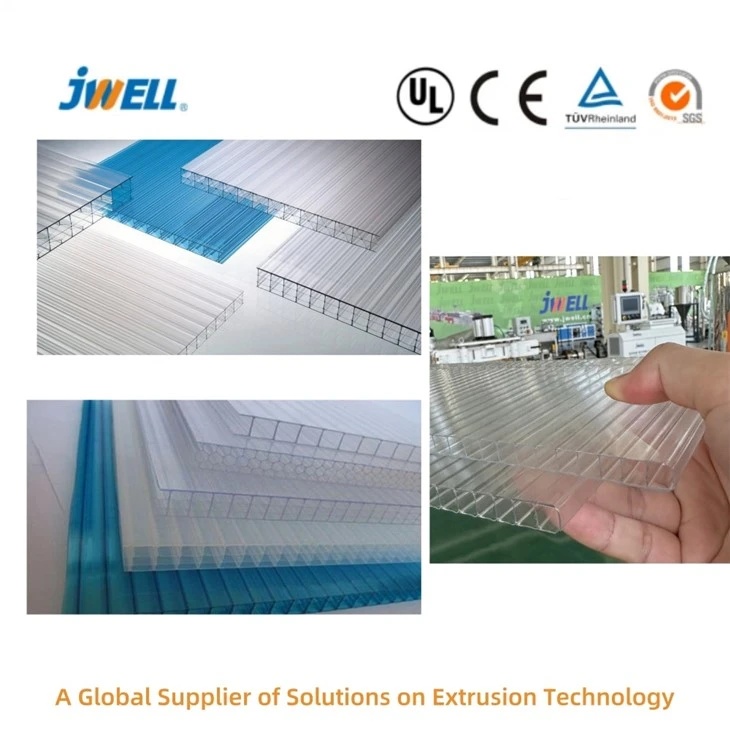
- Pp/pc Hollow Sheet Extrusion Line: PP/PC hollow sheets are lightweight and have excellent insulation properties, making them suitable for a wide range of applications. An extrusion line for PP/PC hollow sheets can be adjusted to produce sheets with different thicknesses, enabling manufacturers to customize their products according to the needs of different industries.
Conclusion
In conclusion, a board extrusion line can indeed produce different thickness boards. By carefully adjusting the settings of the extrusion line, including the die, extruder speed, temperature, and pressure, manufacturers can achieve the desired thicknesses. However, several factors such as material properties, die design, extrusion speed, and cooling system need to be considered to ensure successful production. The ability to produce boards of different thicknesses offers versatility, cost savings, and improved efficiency for manufacturers.
If you're interested in learning more about our board extrusion lines or have any questions about producing boards of different thicknesses, please feel free to contact us. We're here to help you find the right solution for your manufacturing needs.
References
- "Extrusion of Plastics: Theory and Practice" by Charles Rauwendaal
- "Handbook of Plastic Extrusion Technology" by Allan A. Griff
- Industry publications and technical reports on board extrusion processes


