

Selecting the right strand pelletizer for your production is a critical decision that can significantly impact the efficiency, quality, and cost - effectiveness of your manufacturing process. As a strand pelletizer supplier, I am here to share some key factors to consider when making this important choice.
1. Production Capacity
The first aspect to evaluate is your production capacity requirements. You need to determine the amount of material you plan to pelletize per hour, day, or month. If you have a high - volume production line, you'll need a strand pelletizer with a high throughput. For instance, if you are producing large quantities of thermoplastic elastomers, a Thermoplastic Elastomers Strand Pelletizer designed for high - volume production would be ideal. On the other hand, if your production is more on a small - scale or for R & D purposes, a smaller, more compact pelletizer might be sufficient.
2. Material Characteristics
Different materials have different physical and chemical properties, which can affect the performance of the strand pelletizer. Consider the hardness, brittleness, and melting point of the material. For example, brittle materials may require a pelletizer with a gentle cutting mechanism to prevent excessive dust generation. If you are working with bio - degradable plastics, a Bio - degradable Plastics Underwater Pelletizer could be a great option as it can handle these materials effectively and produce high - quality pellets.
3. Pellet Size and Shape
The desired pellet size and shape are also crucial factors. Depending on your end - use application, you may need pellets of a specific diameter, length, and shape. Some pelletizers offer adjustable cutting mechanisms that allow you to produce pellets of different sizes. Make sure the pelletizer you choose can meet your specific pellet size and shape requirements.
4. Cutting Mechanism
There are several types of cutting mechanisms available in strand pelletizers, such as rotary knives and guillotine - style cutters. Rotary knives are commonly used for high - speed production as they can provide a continuous cutting action. Guillotine - style cutters, on the other hand, are more suitable for materials that require a clean and precise cut. Evaluate the cutting mechanism based on your material type and production speed requirements.
5. Automation and Control
In today's manufacturing environment, automation and control features can greatly improve the efficiency and consistency of the production process. Look for a strand pelletizer that offers features such as automatic strand feeding, speed control, and remote monitoring. These features can reduce the need for manual intervention, minimize downtime, and ensure consistent pellet quality.
6. Maintenance and Durability
A reliable and easy - to - maintain pelletizer is essential for long - term production. Consider the accessibility of the cutting blades for replacement and cleaning. A pelletizer with a robust construction and high - quality components will have a longer service life and require less frequent maintenance. Additionally, check if the supplier offers good after - sales support, including spare parts availability and technical assistance.
7. Compatibility with Existing Equipment
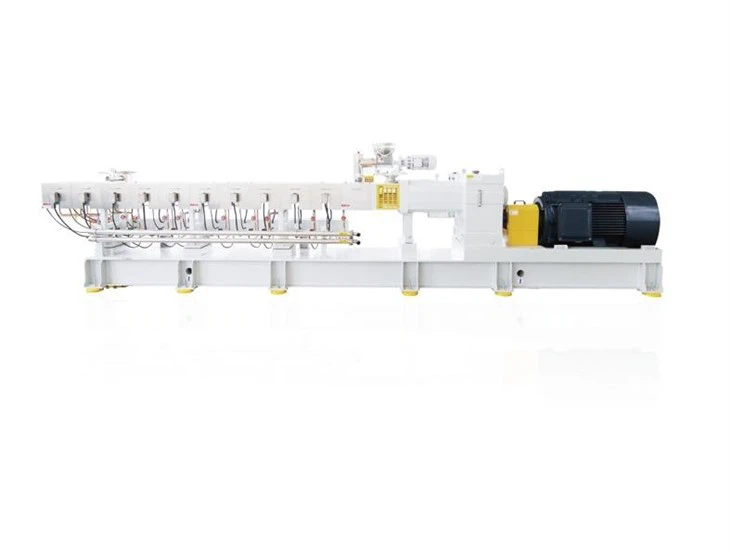
If you already have other equipment in your production line, such as an extruder, ensure that the strand pelletizer is compatible with them. For example, if you are using an Hc Middle Torque Series Co Rotating Twin Screw Extruder, the pelletizer should be able to handle the output of the extruder smoothly. Compatibility issues can lead to production bottlenecks and reduced efficiency.
8. Cost - effectiveness
While cost is an important consideration, it should not be the only factor. Look at the overall cost - effectiveness of the pelletizer, which includes the purchase price, operating costs (such as energy consumption and maintenance costs), and the expected return on investment. A more expensive pelletizer may offer better performance, higher quality pellets, and lower operating costs in the long run.
9. Supplier Reputation
The reputation of the supplier is also a significant factor. Choose a supplier with a proven track record in the industry. A reliable supplier will provide high - quality equipment, offer good customer service, and have a strong technical support team. You can check online reviews, ask for references from other customers, and evaluate the supplier's experience in the market.
10. Regulatory Compliance
Ensure that the strand pelletizer complies with all relevant industry regulations and standards. This is especially important if you are producing materials for specific industries, such as food or medical applications. Non - compliant equipment can lead to legal issues and product recalls.
In conclusion, choosing the right strand pelletizer for your production requires a comprehensive evaluation of multiple factors. By considering production capacity, material characteristics, pellet size and shape, cutting mechanism, automation and control, maintenance and durability, compatibility with existing equipment, cost - effectiveness, supplier reputation, and regulatory compliance, you can make an informed decision.
If you are in the process of selecting a strand pelletizer for your production needs, I encourage you to reach out to us. Our team of experts is ready to assist you in finding the most suitable pelletizer for your specific requirements. We have a wide range of high - quality strand pelletizers that can meet the diverse needs of different industries. Contact us today to start the procurement negotiation process and take your production to the next level.

References
- Industry standards and guidelines for pelletizing equipment
- Technical literature from strand pelletizer manufacturers
- Case studies of successful pelletizer installations in various industries


