


Operating a sheet production line is a complex and challenging endeavor that requires a deep understanding of various factors, from technical know - how to market dynamics. As a sheet production line supplier, I have witnessed firsthand the numerous challenges that manufacturers face in this industry. In this blog, I will explore some of the key challenges and discuss potential solutions.
Technical Challenges
Equipment Maintenance and Upgrades
One of the most significant challenges in operating a sheet production line is maintaining the equipment in optimal condition. Sheet production lines consist of a variety of complex machinery, including extruders, calenders, and cutting machines. These machines are subject to wear and tear over time, and regular maintenance is essential to prevent breakdowns and ensure consistent product quality.
For example, the screws and barrels in an extruder are critical components that can degrade due to the high - pressure and high - temperature environment. If not properly maintained, they can cause uneven melting of the raw materials, resulting in defects in the final sheet product. Additionally, the calendering rolls need to be regularly inspected and polished to maintain a smooth surface finish on the sheets.
Upgrading the equipment is also a challenge. As technology advances, new and more efficient production methods become available. However, upgrading a sheet production line can be costly and time - consuming. Manufacturers need to carefully evaluate the benefits of upgrading against the investment required. For instance, investing in a new PVC Board Production Line [/plate - extrusion - line/pvc - board - production - line.html] with advanced control systems can improve production efficiency and product quality, but it requires a significant upfront capital outlay.
Process Control
Another technical challenge is achieving precise process control. The production of sheets involves multiple steps, such as melting, shaping, and cooling. Each step needs to be carefully controlled to ensure that the final product meets the desired specifications.
Temperature control is a crucial aspect of the process. For example, in the extrusion process, the temperature of the raw materials needs to be maintained within a narrow range to ensure proper melting and flow. If the temperature is too high, the material may degrade, leading to poor product quality. On the other hand, if the temperature is too low, the material may not melt completely, resulting in uneven sheets.
In addition to temperature, other factors such as pressure, speed, and cooling rate also need to be controlled. For a PVC Foam Board Extrusion Line [/plate - extrusion - line/pvc - foam - board - extrusion - line.html], the foaming process is highly sensitive to these parameters. A slight deviation can lead to inconsistent foam density and cell structure in the final product.
Raw Material Management
Quality Variation
The quality of raw materials can vary significantly from one supplier to another. Even within the same batch of raw materials, there may be slight variations in properties such as viscosity, melt flow index, and color. These variations can have a significant impact on the production process and the quality of the final sheet product.
For example, if the viscosity of the plastic resin used in a PP/PE Plastic Hollow Board Extrusion Line [/plate - extrusion - line/pp - pe - plastic - hollow - board - extrusion - line.html] is too high, it can cause problems in the extrusion process, such as high pressure in the extruder and poor flow through the die. On the other hand, if the viscosity is too low, the sheets may lack the necessary strength and stiffness.
Manufacturers need to establish strict quality control procedures for incoming raw materials. This may include conducting regular tests and inspections to ensure that the raw materials meet the required specifications. They also need to work closely with their raw material suppliers to address any quality issues promptly.
Supply Chain Disruptions
The supply of raw materials can be disrupted due to various factors, such as natural disasters, political instability, and trade disputes. These disruptions can lead to shortages of raw materials, which can halt production and cause significant losses for manufacturers.
For example, if a major supplier of plastic resins experiences a production outage due to a hurricane, it can affect the supply of raw materials to sheet production lines. Manufacturers may be forced to find alternative suppliers, which can be time - consuming and may result in higher costs.
To mitigate the risk of supply chain disruptions, manufacturers need to diversify their raw material suppliers. They should also maintain a certain level of inventory to buffer against short - term supply shortages. However, holding inventory also incurs costs, such as storage and inventory management expenses.
Market Challenges
Intense Competition
The sheet production industry is highly competitive. There are many suppliers in the market, offering a wide range of sheet products at different price points. This intense competition puts pressure on manufacturers to reduce costs and improve product quality to stay competitive.
Manufacturers need to constantly innovate and differentiate their products to stand out in the market. For example, they can develop new types of sheets with unique properties, such as enhanced strength, fire resistance, or environmental friendliness. They also need to focus on providing excellent customer service to build long - term relationships with their customers.
Fluctuating Market Demand
Market demand for sheet products can be highly volatile. It is influenced by various factors, such as economic conditions, consumer preferences, and industry trends. For example, during an economic recession, the demand for construction - related sheet products may decline as construction projects are put on hold.
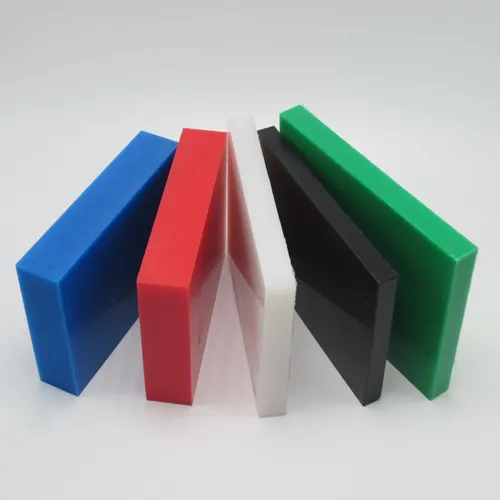

Manufacturers need to be able to quickly adjust their production levels to meet the changing market demand. This requires flexibility in their production processes and the ability to forecast market trends accurately. They may also need to explore new markets and applications for their sheet products to reduce their dependence on a single market segment.
Regulatory and Environmental Challenges
Compliance with Regulations
The sheet production industry is subject to various regulations, such as safety standards, environmental regulations, and product quality standards. Manufacturers need to ensure that their production processes and products comply with these regulations to avoid legal issues and penalties.
For example, there are strict regulations regarding the use of certain chemicals in the production of plastic sheets. Manufacturers need to ensure that they are using environmentally friendly and safe chemicals and that their products meet the relevant safety and environmental standards.
Environmental Sustainability
In recent years, there has been an increasing focus on environmental sustainability in the manufacturing industry. Sheet production lines often consume large amounts of energy and generate waste. Manufacturers need to take steps to reduce their environmental impact.
This may include implementing energy - saving measures, such as using more efficient equipment and optimizing the production process. They also need to develop recycling programs for waste materials generated during the production process. For example, some manufacturers are exploring ways to recycle scrap plastic sheets and reuse them in the production process.
Solutions and Conclusion
To overcome these challenges, manufacturers need to adopt a comprehensive approach. They should invest in regular equipment maintenance and upgrades to ensure the reliability and efficiency of their production lines. They need to establish strict process control procedures and quality management systems to ensure consistent product quality.
In terms of raw material management, manufacturers should diversify their suppliers and maintain a balanced inventory. They also need to work closely with their suppliers to improve the quality and stability of the raw material supply.
To address market challenges, manufacturers should focus on innovation and customer service. They need to continuously monitor market trends and adjust their production and marketing strategies accordingly.
Regarding regulatory and environmental challenges, manufacturers should stay updated on the latest regulations and invest in sustainable production practices.
If you are facing challenges in operating a sheet production line or are interested in upgrading your existing equipment, we are here to help. As a sheet production line supplier, we have the expertise and experience to provide you with high - quality production lines and comprehensive solutions. Contact us to discuss your specific needs and start a fruitful business cooperation.
References
- "Plastics Extrusion Technology Handbook" by Miles A. Tadmor and Paul C. Gogos
- "Handbook of Polymer Foams and Technology" by Daniel Klempner and Klaus C. Frisch
- Industry reports from relevant market research firms.


