


Hey there! As a supplier of co rotating extruders, I've seen firsthand the growing interest in recycling and reusing materials. Processing recycled materials with a co rotating extruder can be a game - changer for many industries, but there are several key considerations to keep in mind. Let's dive right in!
1. Material Characteristics
The first thing you gotta look at is the nature of the recycled materials. Different recycled materials have different properties, such as melting points, viscosity, and moisture content.
For instance, recycled plastics can vary widely. Some might be a mix of different polymers, which can make the processing a bit tricky. If you're dealing with a blend of high - density polyethylene (HDPE) and low - density polyethylene (LDPE), they have different melting temperatures. You need to set the temperature of the co rotating extruder carefully to ensure both polymers melt properly without degrading.
Moisture content is another biggie. Many recycled materials, especially those from post - consumer sources, can have a significant amount of moisture. If you don't dry the materials before feeding them into the extruder, it can lead to issues like steam bubbles in the final product, which can weaken its structure. So, having a proper drying system in place is crucial.
2. Extruder Design and Configuration
The design of the co rotating extruder matters a whole lot when it comes to processing recycled materials.
The screw design is one of the most important aspects. A well - designed screw can effectively convey, mix, and melt the recycled materials. For example, the Hc Middle Torque Series Co Rotating Twin Screw Extruder [/compounding - equipment/co - rotating - twin - screw - extruder.html] has a specialized screw design that can handle a wide range of recycled materials. The pitch and the shape of the screw elements can be adjusted to optimize the processing of different materials.

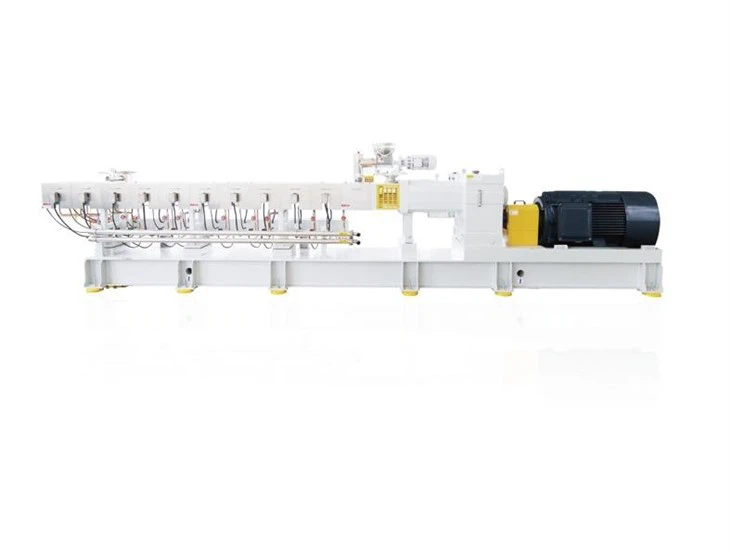
The length - to - diameter (L/D) ratio of the extruder also plays a role. A higher L/D ratio generally allows for better mixing and melting of the materials. This is especially important for recycled materials that might be more heterogeneous compared to virgin materials.
The feeding system is another critical part. Since recycled materials can vary in size and shape, a reliable and adjustable feeding system is needed. It should be able to handle different feed rates and ensure a consistent flow of materials into the extruder.
3. Wear and Tear
Recycled materials can be quite abrasive. They might contain small particles of dirt, sand, or other hard substances that can cause wear and tear on the extruder components, such as the screws and the barrel.
To deal with this, you need to choose extruders with high - quality, wear - resistant materials for the critical parts. For example, some extruders use special coatings on the screws and barrels to increase their resistance to abrasion. Regular maintenance and inspection are also essential. You should check the wear of the components regularly and replace them when necessary to ensure the extruder operates efficiently.
4. Processing Temperature and Pressure
Getting the right temperature and pressure settings is vital for successful processing of recycled materials.
The temperature profile along the extruder should be carefully controlled. As mentioned earlier, different materials have different melting points. You need to set the temperature high enough to melt the materials but not so high that they degrade. Overheating can cause the polymers to break down, which can affect the mechanical properties of the final product.
The pressure in the extruder also affects the quality of the final product. If the pressure is too low, the materials might not be properly mixed or compacted. On the other hand, if the pressure is too high, it can put excessive stress on the extruder components and might even cause leaks. You need to find the optimal pressure range for the specific recycled materials you're processing.
5. Additives and Compatibilizers
In many cases, using additives and compatibilizers can improve the processing and the properties of the recycled materials.
Additives like antioxidants can prevent the degradation of the polymers during processing. They can extend the lifespan of the final product and improve its stability. Lubricants can also be added to reduce the friction between the materials and the extruder components, which can improve the flow of the materials.
Compatibilizers are especially important when dealing with blends of different polymers. Since different polymers might not be compatible with each other, a compatibilizer can help them mix better and form a more homogeneous product. For example, when processing a blend of polypropylene (PP) and polyethylene terephthalate (PET), a compatibilizer can enhance the adhesion between the two polymers.
6. Quality Control
Quality control is a must - have step in the process of processing recycled materials with a co rotating extruder.
You need to test the final product regularly to ensure it meets the required standards. This can involve testing for mechanical properties such as tensile strength, impact resistance, and hardness. You can also check for other properties like color consistency and surface finish.
Using in - line sensors can be very helpful for real - time quality control. These sensors can monitor parameters like temperature, pressure, and viscosity during the extrusion process. If any of these parameters go out of the acceptable range, the extruder can be adjusted immediately to prevent the production of defective products.
7. Environmental Considerations
When processing recycled materials, environmental considerations are becoming increasingly important.
The extruder should be designed to minimize energy consumption. Using energy - efficient motors and optimizing the heating and cooling systems can help reduce the overall energy usage. This not only saves costs but also reduces the environmental impact.
Proper waste management is also crucial. The extruder should be able to handle any waste generated during the processing, such as purging materials or defective products. Recycling or reusing this waste can further reduce the environmental footprint of the process.
8. Customization and Flexibility
Every customer's needs are different when it comes to processing recycled materials. That's why having a co rotating extruder that can be customized is a huge advantage.
For example, if you're processing long - fiber reinforced thermoplastics, the Long - fiber Reinforce Thermoplastic Extrusion Line [/compounding - equipment/thermoplastic - extrusion - line.html] can be tailored to your specific requirements. It can handle different fiber lengths and types of thermoplastics, allowing you to produce high - quality long - fiber reinforced products.
The Hd Large Volume Series Dual Screw Extruder [/compounding - equipment/dual - screw - extruder.html] is another great option for those who need to process large volumes of recycled materials. It can be configured with different screw elements and feeding systems to meet the specific needs of different applications.
In conclusion, processing recycled materials with a co rotating extruder is a complex but rewarding process. By considering these factors, you can ensure that you get the most out of your extruder and produce high - quality recycled products. If you're interested in learning more about our co rotating extruders or have any questions about processing recycled materials, feel free to reach out. We're here to help you find the best solution for your recycling needs. Let's work together to make the world a more sustainable place!
References:
- "Plastics Extrusion Technology Handbook" by Allan A. Griff
- "Recycling of Polymeric Materials" edited by José F. Rodríguez - Pérez and Susana M. Navarro - Beltrán


