


Hey there! As a supplier of cast film lines, I've seen firsthand the wide range of film laminating options available in the market. In this blog, I'll break down the different types of film laminating in a cast film line, so you can make an informed decision for your business.
1. Dry Lamination
Dry lamination is a popular choice in the cast film line industry. It involves applying an adhesive to one film, drying it to remove the solvent, and then bonding it to another film under pressure. This method offers several advantages.
First off, it provides excellent bond strength. The adhesive creates a strong connection between the two films, making the laminated product durable. For example, in food packaging, dry - laminated films can keep the contents fresh by preventing oxygen and moisture from seeping in.
Secondly, it allows for a wide variety of film combinations. You can laminate different materials like polyester, polypropylene, and polyethylene. This flexibility is great for creating products with specific properties. For instance, you can combine a high - barrier film with a printable film to make an eye - catching and functional package.
However, dry lamination also has its drawbacks. The process requires a drying step, which can be time - consuming and energy - intensive. Also, the use of solvents in the adhesive can be a concern from an environmental and safety perspective.
If you're interested in a cast film line for dry lamination, you might want to check out our CPP Cast Film Extrusion Line. It's designed to handle different film materials and ensure a smooth lamination process.
2. Extrusion Lamination
Extrusion lamination is another common method. In this process, a molten polymer is extruded between two films and then cooled to form a bond.
One of the big advantages of extrusion lamination is its speed. Since there's no need for a drying step like in dry lamination, the process can be much faster. This is ideal for high - volume production. For example, in the production of packaging materials for consumer goods, extrusion lamination can keep up with the large demand.
Another plus is that extrusion lamination can use a wide range of polymers, such as polyethylene and polypropylene. These polymers can provide different properties to the laminated film, like heat - sealability and flexibility.
On the downside, the equipment for extrusion lamination can be more expensive to set up. Also, the quality of the bond can be affected by factors like the temperature and pressure during the extrusion process.
Our cast film lines are well - suited for extrusion lamination. We can customize the line to meet your specific requirements, whether you're producing thin packaging films or thicker industrial films.
3. Wet Lamination
Wet lamination is a relatively simple and cost - effective option. In wet lamination, an adhesive is applied to one film while it's still wet, and then the second film is immediately pressed onto it.
The main advantage of wet lamination is its low cost. There's no need for expensive drying equipment, and the adhesive can be relatively inexpensive. This makes it a great choice for small - scale production or for products where cost is a major factor.
It's also a quick process. You can laminate the films right away without waiting for the adhesive to dry. However, wet lamination may not provide the same level of bond strength as dry or extrusion lamination. The laminated film may be more prone to delamination over time, especially in high - humidity environments.
If you're looking for an affordable cast film line for wet lamination, our team can help you find the right solution. We have experience in setting up systems that are efficient and reliable for this type of lamination.
4. Thermal Lamination
Thermal lamination uses heat to bond two films together. There are two main types: hot - roll lamination and cold - roll lamination.
Hot - roll lamination involves passing the films through heated rollers. The heat activates an adhesive layer on one of the films, creating a bond. This method is great for creating a strong and durable bond. It's often used in applications where the laminated film needs to withstand wear and tear, like in the production of ID cards or book covers.
Cold - roll lamination, on the other hand, uses pressure and a pre - activated adhesive. It doesn't require heat, which makes it suitable for heat - sensitive materials. For example, if you're laminating a film with a printed image that could be damaged by heat, cold - roll lamination is a good option.
The drawback of thermal lamination is that it can be limited in terms of the types of films it can bond. Some films may not be compatible with the heat or pressure used in the process.
Our cast film lines can be configured for thermal lamination. We can help you determine the best type of thermal lamination for your specific film materials and production needs.
5. Solvent - Free Lamination
With growing environmental concerns, solvent - free lamination has become more popular. As the name suggests, this method doesn't use solvents in the adhesive.
Solvent - free lamination offers several benefits. It's more environmentally friendly, as there are no volatile organic compounds (VOCs) being released into the air. It's also safer for workers, as they're not exposed to potentially harmful solvents.
In terms of performance, solvent - free lamination can provide a strong bond similar to dry lamination. The adhesive cures quickly, and the laminated film has good clarity and flexibility.
However, the initial investment in solvent - free lamination equipment can be higher. Also, the range of available adhesives may be more limited compared to solvent - based adhesives.
If you're interested in going green with your cast film line, our PE Self - adhesive Protective Film Production Line can be adapted for solvent - free lamination. We can guide you through the process and help you make the transition.
Conclusion
As you can see, there are many different types of film laminating options in a cast film line, each with its own advantages and disadvantages. The choice of lamination method depends on various factors, such as the type of films you're using, the desired properties of the final product, production volume, and cost considerations.
If you're in the market for a cast film line and need help deciding which lamination option is right for you, don't hesitate to reach out. Our team of experts is here to assist you. We can provide detailed information, offer customized solutions, and even arrange a demonstration of our equipment. Whether you're looking for a CPP Cast Film Extrusion Line, ASA Roof Tile Extrusion Line, or PE Self - adhesive Protective Film Production Line, we've got you covered.

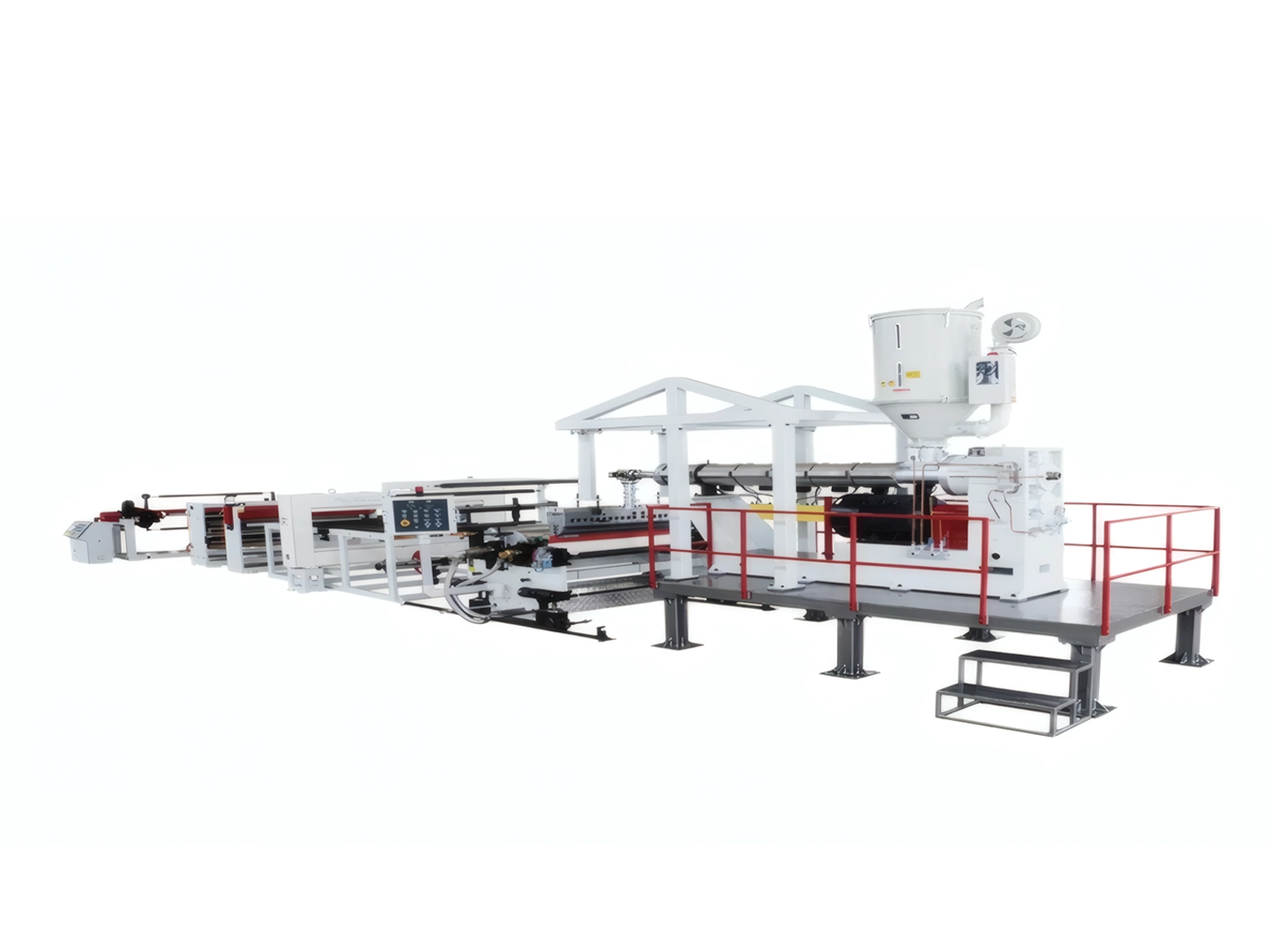
Let's start a conversation and find the perfect cast film line and lamination solution for your business!
References
- Packaging Machinery Manufacturers Institute (PMMI). "Film Lamination Technologies." PMMI Research Report.
- Smith, John. "Advances in Cast Film Lamination." Journal of Plastic Film & Sheeting, Vol. 25, No. 3, 2022.
- Davis, Sarah. "Environmental Considerations in Film Lamination." Packaging World Magazine, April 2023.


