

Over-heating in a dual screw extruder can lead to a range of problems, from degraded product quality to equipment damage and increased maintenance costs. As a trusted dual screw extruder supplier, we understand the significance of this issue and are committed to providing solutions to help our customers avoid over-heating. In this blog post, we'll explore the causes of over-heating in dual screw extruders and share practical strategies to prevent it.
Understanding the Causes of Over-heating
Before we delve into prevention strategies, it's essential to understand the root causes of over-heating in dual screw extruders. Several factors can contribute to excessive heat generation, including:
- High Screw Speed: Running the screws at excessively high speeds can generate a significant amount of frictional heat. As the screws rotate, they shear and mix the polymer material, converting mechanical energy into heat. If the screw speed is too high, the heat generated may exceed the cooling capacity of the extruder, leading to over-heating.
- Inadequate Cooling: Insufficient cooling is another common cause of over-heating. Dual screw extruders typically rely on water-cooled barrels and screw elements to dissipate heat. If the cooling system is not functioning properly, or if the cooling capacity is insufficient for the process requirements, the temperature inside the extruder can rise rapidly.
- High Viscosity Materials: Processing high-viscosity polymers or materials with poor thermal conductivity can also contribute to over-heating. These materials require more energy to melt and flow, which generates additional heat. Additionally, their poor thermal conductivity makes it more difficult for the heat to dissipate, increasing the risk of over-heating.
- Improper Screw Design: The design of the screws plays a crucial role in heat generation and dissipation. If the screw geometry is not optimized for the specific application, it can lead to excessive shear and heat generation. For example, using screws with a high compression ratio or too many mixing elements can increase the frictional forces and generate more heat.
- Overfeeding: Feeding too much material into the extruder can cause over-heating. When the extruder is overfed, the material may not have enough time to melt and mix properly, leading to increased friction and heat generation. Additionally, overfeeding can cause the extruder to operate at a higher pressure, which can also contribute to over-heating.
Strategies to Avoid Over-heating
Now that we understand the causes of over-heating, let's explore some practical strategies to prevent it:
Optimize Screw Speed
- Match Screw Speed to Material and Process Requirements: Select the appropriate screw speed based on the type of material being processed and the desired output rate. Avoid running the screws at excessively high speeds, as this can generate too much heat.
- Monitor and Adjust Screw Speed: Continuously monitor the temperature inside the extruder and adjust the screw speed as needed to maintain a stable temperature. If the temperature starts to rise, reduce the screw speed to reduce heat generation.
Ensure Adequate Cooling
- Maintain the Cooling System: Regularly inspect and maintain the cooling system to ensure it is functioning properly. Check the water flow rate, temperature, and pressure, and clean the cooling channels to prevent blockages.
- Upgrade the Cooling Capacity: If the cooling capacity of the existing system is insufficient, consider upgrading to a larger or more efficient cooling system. This may involve installing additional cooling jackets or increasing the water flow rate.
- Use External Cooling Devices: In some cases, it may be necessary to use external cooling devices, such as chillers or air coolers, to supplement the existing cooling system. These devices can help to maintain a lower temperature inside the extruder, especially when processing high-viscosity materials or operating at high speeds.
Select the Right Materials
- Choose Low-Viscosity Materials: Whenever possible, select polymers or materials with low viscosity and good thermal conductivity. These materials require less energy to melt and flow, which generates less heat.
- Pre-dry the Materials: Moisture in the materials can increase the viscosity and reduce the thermal conductivity, leading to increased heat generation. Pre-drying the materials before processing can help to reduce the moisture content and improve the processing performance.
Optimize Screw Design
- Work with an Experienced Screw Manufacturer: Collaborate with an experienced screw manufacturer to design screws that are optimized for your specific application. The screw geometry, including the pitch, flight depth, and mixing elements, should be carefully selected to minimize shear and heat generation.
- Use Modular Screw Elements: Modular screw elements allow for greater flexibility in screw design. By using different combinations of screw elements, you can optimize the screw configuration for different materials and processes, reducing the risk of over-heating.
Control the Feed Rate
- Use a Precise Feeding System: Install a precise feeding system, such as a volumetric or gravimetric feeder, to control the feed rate accurately. This will help to ensure that the extruder is not overfed, reducing the risk of over-heating.
- Monitor the Feed Rate: Continuously monitor the feed rate and adjust it as needed to maintain a stable process. If the feed rate is too high, reduce it to prevent over-heating.
Our Dual Screw Extruder Solutions
At our company, we offer a wide range of dual screw extruders designed to meet the diverse needs of our customers. Our Ht High Torque Series Twin Screw Plastic Extruder is specifically designed for high-performance applications, with a high torque output and excellent mixing capabilities. The extruder features a water-cooled barrel and screw elements, ensuring efficient heat dissipation and preventing over-heating.
In addition to our standard extruders, we also offer customized solutions to meet the specific requirements of our customers. Our Eco-friendly Grafting and Chain Extension Pelletizing Line is a state-of-the-art system that combines grafting and chain extension processes to produce high-quality pellets. The line is equipped with advanced cooling and temperature control systems, ensuring optimal processing conditions and preventing over-heating.

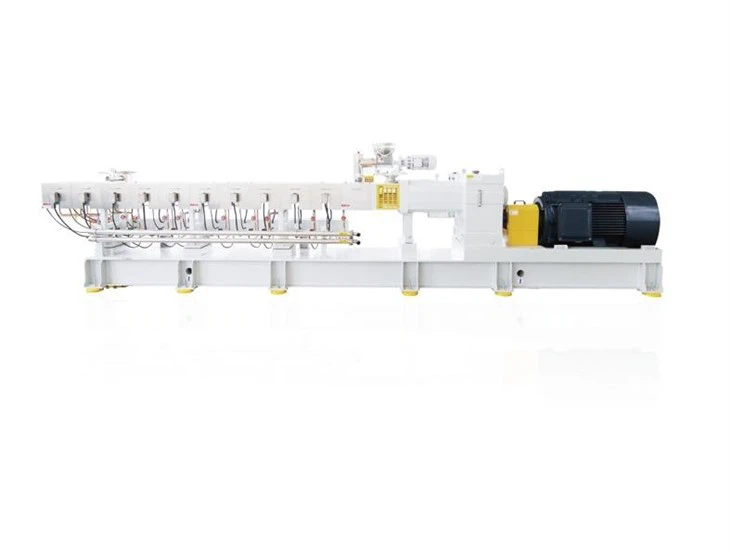
For customers with more moderate requirements, our Hc Middle Torque Series Co Rotating Twin Screw Extruder offers a cost-effective solution. The extruder is designed for a wide range of applications, including compounding, blending, and extrusion coating. It features a modular design, allowing for easy customization and maintenance.
Conclusion
Over-heating in a dual screw extruder can have a significant impact on product quality, equipment performance, and production efficiency. By understanding the causes of over-heating and implementing the strategies outlined in this blog post, you can effectively prevent over-heating and ensure the smooth operation of your extruder.
As a leading dual screw extruder supplier, we are committed to providing our customers with high-quality products and comprehensive support. If you have any questions or need assistance with your extruder, please don't hesitate to contact us. Our team of experts will be happy to help you find the best solution for your needs.
References
- "Twin Screw Extrusion: Technology and Principles" by James L. White and Kenneth P. Potente
- "Plastics Extrusion Technology" by Allan A. Griff
- "Extrusion of Polymers: Theory and Practice" by John A. Brydson


