


Ensuring the flatness of PP sheets produced by a PP sheet extrusion line is a crucial aspect that directly impacts the quality and usability of the final product. As a leading provider of PP sheet extrusion lines, we understand the significance of this factor and have extensive experience in addressing the challenges associated with achieving optimal flatness. In this blog, we will delve into the key considerations and techniques to ensure the flatness of PP sheets during the extrusion process.
Understanding the Basics of PP Sheet Extrusion
Before we explore the methods to ensure flatness, it is essential to have a basic understanding of the PP sheet extrusion process. PP sheet extrusion involves melting polypropylene resin and forcing it through a die to form a continuous sheet. The molten polymer is then cooled and solidified to achieve the desired thickness and properties. The extrusion line typically consists of a hopper, extruder, die, cooling system, and winding unit.
Factors Affecting the Flatness of PP Sheets
Several factors can influence the flatness of PP sheets during the extrusion process. Understanding these factors is crucial for implementing effective solutions to ensure flatness. Here are some of the key factors:
- Temperature Control: Maintaining consistent temperature throughout the extrusion process is essential for ensuring the flatness of PP sheets. Fluctuations in temperature can cause uneven expansion and contraction of the polymer, leading to warping and distortion. Therefore, it is important to monitor and control the temperature of the extruder, die, and cooling system.
- Die Design: The design of the die plays a crucial role in determining the flatness of the PP sheets. A well-designed die should ensure uniform flow of the molten polymer across the width of the sheet. Any irregularities in the die can result in thickness variations and uneven cooling, leading to poor flatness. Therefore, it is important to choose a die that is specifically designed for PP sheet extrusion and has a uniform flow distribution.
- Cooling System: The cooling system is responsible for solidifying the molten polymer and ensuring the flatness of the PP sheets. A proper cooling system should provide uniform cooling across the width and thickness of the sheet. Uneven cooling can cause differential shrinkage, leading to warping and distortion. Therefore, it is important to choose a cooling system that is capable of providing consistent and uniform cooling.
- Tension Control: Maintaining proper tension during the extrusion process is essential for ensuring the flatness of PP sheets. Excessive tension can cause stretching and distortion of the sheet, while insufficient tension can result in wrinkling and sagging. Therefore, it is important to monitor and control the tension of the sheet throughout the extrusion process.
- Material Quality: The quality of the polypropylene resin used in the extrusion process can also affect the flatness of the PP sheets. Poor quality resin may contain impurities or have inconsistent properties, which can lead to uneven melting and cooling, resulting in poor flatness. Therefore, it is important to choose high-quality polypropylene resin that is specifically designed for sheet extrusion.
Techniques for Ensuring the Flatness of PP Sheets
Based on our experience, here are some of the techniques that can be used to ensure the flatness of PP sheets during the extrusion process:
- Optimize Temperature Settings: As mentioned earlier, temperature control is crucial for ensuring the flatness of PP sheets. Therefore, it is important to optimize the temperature settings of the extruder, die, and cooling system. This can be achieved by conducting regular temperature measurements and adjusting the settings as needed.
- Use a Well-Designed Die: A well-designed die is essential for ensuring uniform flow of the molten polymer across the width of the sheet. Therefore, it is important to choose a die that is specifically designed for PP sheet extrusion and has a uniform flow distribution. Additionally, the die should be regularly maintained and cleaned to ensure optimal performance.
- Implement a Proper Cooling System: A proper cooling system is crucial for solidifying the molten polymer and ensuring the flatness of the PP sheets. Therefore, it is important to choose a cooling system that is capable of providing consistent and uniform cooling. This can be achieved by using a combination of air cooling and water cooling, and by ensuring that the cooling system is properly maintained and calibrated.
- Control Tension: Maintaining proper tension during the extrusion process is essential for ensuring the flatness of PP sheets. Therefore, it is important to monitor and control the tension of the sheet throughout the extrusion process. This can be achieved by using a tension control system that is capable of adjusting the tension based on the speed and thickness of the sheet.
- Use High-Quality Material: The quality of the polypropylene resin used in the extrusion process can also affect the flatness of the PP sheets. Therefore, it is important to choose high-quality polypropylene resin that is specifically designed for sheet extrusion. Additionally, the resin should be properly stored and handled to prevent contamination and degradation.
Quality Control Measures
In addition to implementing the above techniques, it is also important to implement quality control measures to ensure the flatness of PP sheets. Here are some of the key quality control measures that can be used:
- Visual Inspection: Visual inspection is the most basic quality control measure that can be used to detect any visible defects in the PP sheets. This can be done by inspecting the sheets for warping, distortion, wrinkles, and other visible defects.
- Thickness Measurement: Thickness measurement is another important quality control measure that can be used to ensure the uniformity of the PP sheets. This can be done by using a thickness gauge to measure the thickness of the sheets at various points across the width and length of the sheet.
- Flatness Measurement: Flatness measurement is the most accurate quality control measure that can be used to ensure the flatness of the PP sheets. This can be done by using a flatness measuring device to measure the deviation of the sheet from a flat surface.
Conclusion
Ensuring the flatness of PP sheets produced by a PP sheet extrusion line is a complex process that requires careful consideration of several factors. By implementing the techniques and quality control measures discussed in this blog, you can significantly improve the flatness of your PP sheets and ensure the quality and usability of your final product.
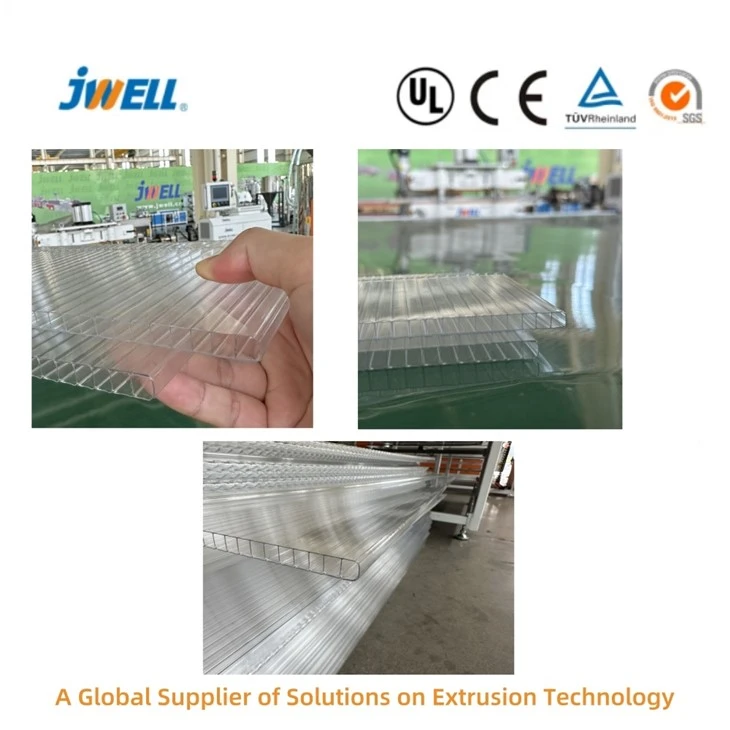
As a leading provider of PP sheet extrusion lines, we offer a wide range of HDPE PP Foam Board Production Line, PP/PC Hollow Sheet Extrusion Line, and PVC Board Production Line that are designed to meet the specific needs of our customers. Our extrusion lines are equipped with advanced technology and features that ensure optimal performance and quality.

If you are interested in learning more about our PP sheet extrusion lines or have any questions about ensuring the flatness of PP sheets, please feel free to contact us. We would be happy to assist you in finding the right solution for your needs.
References
- "Plastics Extrusion Technology" by Christopher Rauwendaal
- "Handbook of Plastic Materials and Technology" edited by Irvin I. Rubin
- "Polypropylene: Structure, Blends, and Composites" by S. Fakirov


