

How to transport a pet sheet extrusion line?
Jan 20, 2026
Leave a message
Hey there! As a supplier of pet sheet extrusion lines, I've had my fair share of experiences when it comes to transporting these heavy - duty machines. It's not a walk in the park, that's for sure. In this blog, I'll share some tips on how to transport a pet sheet extrusion line effectively.
Pre - transport Preparation
First things first, you gotta do a thorough inspection of the pet sheet extrusion line. Check for any loose parts, damages, or signs of wear and tear. This will help you identify any issues that need to be addressed before shipping. If there are loose components, make sure to secure them properly to prevent further damage during transit.
Next up is documentation. You need to have all the necessary paperwork in order. This includes the bill of lading, which details the contents of the shipment, the packing list, and any certificates related to the machine, like quality certificates or safety compliance documents. Having these documents ready will make the customs and shipping process a whole lot smoother.
Another crucial step is to drain all the fluids from the machine. This includes hydraulic oil, coolant, and any other liquids that might be in the system. Fluids can leak during transport and cause damage not only to the machine but also to the shipping container. After draining, make sure to label all the valves and pipes clearly.
Packaging the Extrusion Line
When it comes to packaging, you need to use high - quality materials. For the main body of the pet sheet extrusion line, a sturdy wooden crate is often the way to go. Wood provides good protection against impacts and is relatively easy to work with. Line the crate with foam or other shock - absorbing materials to cushion the machine.
For the smaller, more delicate parts like sensors and control panels, use individual plastic bags and then place them in a box filled with bubble wrap. Label each box clearly with the contents and the corresponding part of the extrusion line. This will make it easier to unpack and install the machine later.
If you're shipping overseas, you also need to consider the humidity and temperature conditions during transit. You might want to use desiccant packs inside the crate to absorb moisture and prevent rusting. And if the destination has extreme temperatures, you may need to use insulated packaging.
Choosing the Right Shipping Method
There are several shipping options available, and the choice depends on factors like the size and weight of the pet sheet extrusion line, the destination, and your budget.
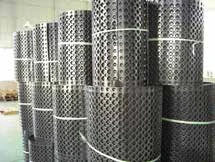
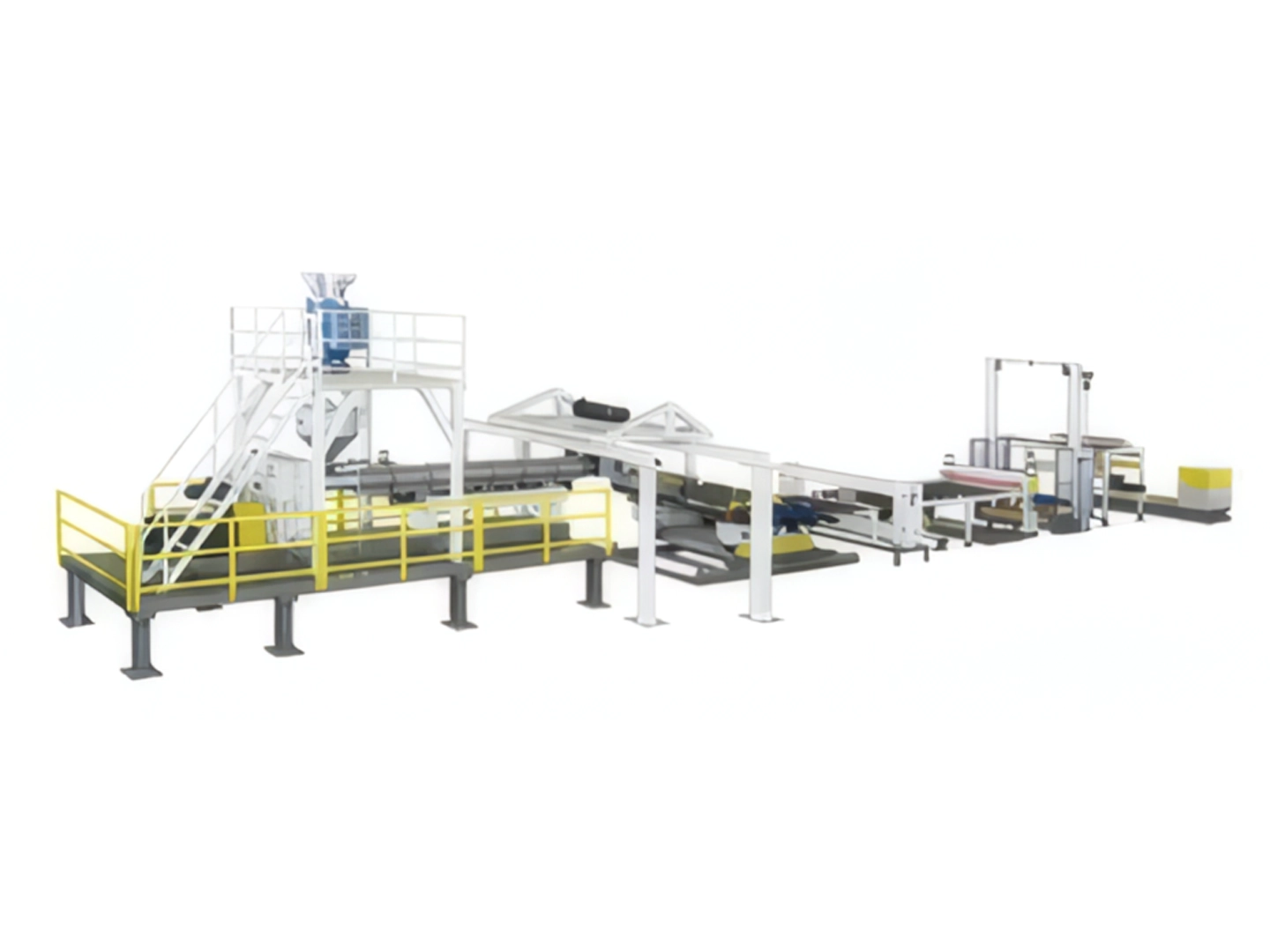
For domestic shipments within a relatively short distance, road transport is often a good choice. Trucks can be easily loaded and unloaded, and you have more flexibility in terms of delivery times. You can choose a full - truckload (FTL) if your extrusion line takes up the entire truck, or a less - than - truckload (LTL) if you're sharing the truck with other shipments.
If you're shipping internationally, sea freight is usually the most cost - effective option for large and heavy machinery like pet sheet extrusion lines. You can choose between a full container load (FCL) or a less - than - container load (LCL). FCL is better if you have a large enough shipment to fill a container, as it provides more security and less handling.
Air freight is the fastest option but also the most expensive. It's usually only recommended if you have a very urgent order or if the destination is far away and time is of the essence.
Loading and Unloading
Loading and unloading the pet sheet extrusion line is a critical process. You need to use the right equipment, like forklifts or cranes, to ensure a safe and smooth operation. Make sure the operators are experienced and trained to handle heavy machinery.
When loading, place the machine in the shipping container or truck in a way that distributes the weight evenly. This will prevent the machine from shifting during transit, which could cause damage. Use straps or chains to secure the machine firmly in place.
At the destination, unloading should be done with the same level of care. Inspect the machine again for any visible damage that might have occurred during transport. If you notice any issues, take photos and document them immediately. This will be important for insurance claims if needed.
Tracking and Insurance
Once the pet sheet extrusion line is on its way, it's important to track the shipment. Most shipping companies provide online tracking services, so you can keep an eye on where your machine is and when it's expected to arrive.
It's also a good idea to get insurance for the shipment. Accidents can happen during transport, and insurance will protect you from financial losses if the machine is damaged or lost. Make sure to read the insurance policy carefully and understand what is covered and what is not.
Contact for Purchase and Further Inquiry
If you're in the market for a pet sheet extrusion line, or if you have any questions about the transport process or our products, don't hesitate to reach out. We're a reliable supplier with years of experience in the industry. Alongside our pet sheet extrusion lines, we also offer other top - notch extrusion line products such as the Water Drainage Sheet Extrusion Line, Single Screw Or Twin Screw PET Sheet Extrusion Line, and PC/PMMA Sheet Extrusion Line. We can provide you with detailed product information and competitive quotes.
References
- Industry standards and guidelines for heavy machinery transport.
- Personal experiences and best practices gained from transporting pet sheet extrusion lines over the years.