


As a leading supplier of PET sheet extrusion lines, I often get asked about the cooling system of these lines. The cooling system is a crucial component of any PET sheet extrusion line, as it plays a vital role in ensuring the quality and consistency of the final product. In this blog post, I will delve into the details of what a cooling system for a PET sheet extrusion line is, how it works, and why it's so important.
Understanding the Basics of a PET Sheet Extrusion Line
Before we dive into the cooling system, let's briefly understand the overall process of a PET sheet extrusion line. PET (Polyethylene Terephthalate) is a widely used thermoplastic polymer. In the extrusion process, PET resin is first fed into an extruder. Inside the extruder, the resin is heated to a molten state and then forced through a die to form a continuous sheet of the desired width and thickness.
The newly formed PET sheet, however, is extremely hot and soft. If it's not cooled properly, it can easily deform, resulting in an uneven surface, inconsistent thickness, or other quality issues. This is where the cooling system comes in.
Components of the Cooling System
The cooling system of a PET sheet extrusion line typically consists of several key components:
Cooling Rollers
Cooling rollers are one of the most important parts of the cooling system. These rollers are usually made of metal, such as steel or aluminum, and are hollow inside. A coolant, often water, is circulated through the hollow core of the rollers. As the hot PET sheet passes between the cooling rollers, heat is transferred from the sheet to the rollers, cooling the sheet down rapidly.
The design and arrangement of the cooling rollers can vary depending on the specific requirements of the extrusion line. Some lines may have multiple sets of cooling rollers to ensure thorough cooling. The temperature of the coolant and the speed at which the sheet passes through the rollers are carefully controlled to achieve the desired cooling rate.
Cooling Tanks
In addition to cooling rollers, some PET sheet extrusion lines also use cooling tanks. These tanks are filled with a coolant, usually water, and the PET sheet is passed through the tank. The large surface area of the water provides efficient cooling, especially for thicker sheets or when a higher cooling rate is required.
Cooling tanks often have adjustable guides to ensure that the sheet moves smoothly through the tank without wrinkling or folding. The temperature of the water in the tank is also carefully monitored and controlled to maintain a consistent cooling environment.
Air Cooling Systems
Air cooling systems are sometimes used in conjunction with cooling rollers and tanks. These systems blow cool air over the surface of the PET sheet to help dissipate heat more quickly. Air cooling can be particularly useful for thin sheets or for providing additional cooling in areas where direct contact with rollers or water may not be suitable.
The air used in these systems is often filtered to prevent dust and other contaminants from coming into contact with the sheet. The flow rate and temperature of the air are also adjustable to optimize the cooling process.
How the Cooling System Works
The cooling process in a PET sheet extrusion line is a carefully orchestrated sequence of events. Once the molten PET sheet emerges from the die, it first comes into contact with the initial set of cooling rollers. These rollers start the cooling process by rapidly removing a significant amount of heat from the surface of the sheet.
As the sheet continues to move along the line, it may pass through additional cooling rollers or a cooling tank, depending on the design of the system. Each stage of the cooling process is designed to gradually reduce the temperature of the sheet while maintaining its shape and integrity.
The cooling rate is a critical factor in the process. If the sheet cools too quickly, it can develop internal stresses, which may lead to warping or cracking. On the other hand, if the cooling is too slow, the sheet may not set properly, resulting in a soft and sticky surface. Therefore, the cooling system is carefully calibrated to ensure that the sheet cools at an optimal rate.
Importance of a Proper Cooling System
A well-designed and properly functioning cooling system is essential for several reasons:
Quality Assurance
The primary purpose of the cooling system is to ensure the quality of the final PET sheet. By cooling the sheet evenly and at the right rate, the system helps to prevent defects such as warping, cracking, and uneven thickness. This results in a high-quality product that meets the strict standards of various industries, including packaging, electronics, and automotive.
Productivity
A reliable cooling system can also improve the productivity of the extrusion line. By cooling the sheet quickly and efficiently, the line can operate at a higher speed, increasing the overall output. This is especially important for large-scale production facilities where maximizing productivity is crucial for profitability.
Energy Efficiency
Modern cooling systems are designed to be energy-efficient. By using advanced technologies such as variable-speed pumps and temperature control systems, these systems can minimize energy consumption while still providing effective cooling. This not only reduces operating costs but also makes the extrusion process more environmentally friendly.
Our Company's Cooling System Solutions
As a supplier of PET sheet extrusion lines, we understand the importance of a high-quality cooling system. That's why we offer a range of advanced cooling system solutions that are designed to meet the specific needs of our customers.
Our cooling systems are equipped with state-of-the-art technology, including precision temperature control and efficient coolant circulation systems. We use high-quality materials and components to ensure the reliability and durability of our systems.
In addition to our standard cooling system options, we also offer customized solutions. Our team of experts can work closely with you to design a cooling system that is tailored to your specific production requirements, whether you need to produce thin or thick sheets, or if you have special cooling needs for a particular application.
Other Extrusion Line Options
If you're interested in other types of sheet extrusion lines, we also offer a variety of options. For example, we have Pc/pmma Sheet Extrusion Line which is suitable for producing PC and PMMA sheets. These sheets are widely used in applications such as signage, lighting, and automotive glazing.
We also provide Pvc Rigid Sheet Extrusion Line for producing PVC rigid sheets. PVC rigid sheets are commonly used in construction, furniture, and advertising industries.

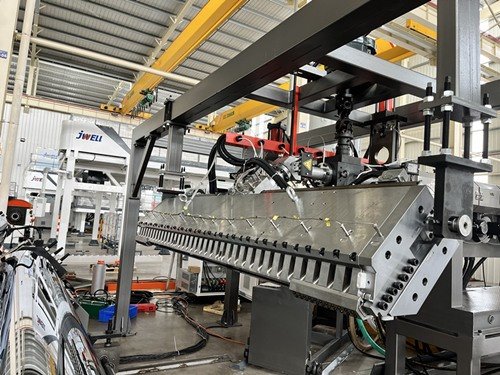
And for those looking to produce sheets from PE, ABS, PP, or PS materials, we offer Pe/abs/pp/ps Sheet Extrusion Line. These materials are used in a wide range of applications, including packaging, consumer goods, and industrial products.
Contact Us for Procurement
If you're in the market for a PET sheet extrusion line or any of our other extrusion line products, we invite you to contact us for a detailed discussion. Our team of experienced sales representatives and technical experts is ready to assist you in finding the right solution for your business. Whether you have questions about our cooling systems, need a customized design, or want to discuss pricing and delivery options, we're here to help.
References
- "Plastics Extrusion Technology Handbook" by Allan A. Griff.
- "Extrusion of Polymers: Theory and Practice" by F. Hensen, T. Meijer, and J. Potente.


